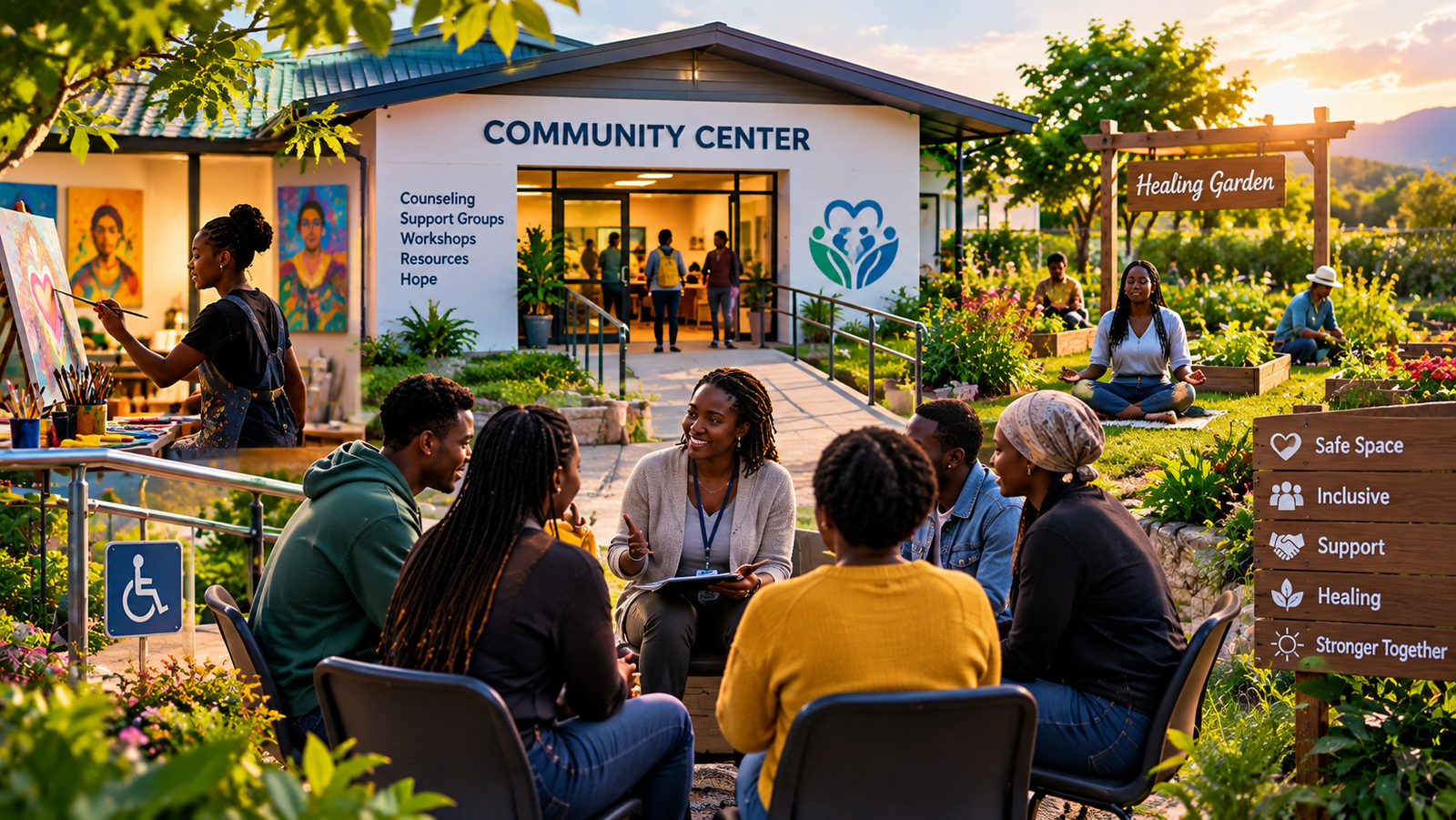
As we journey towards a future of empowered communities and collective healing, we arrive at a vital concept-healing spaces. These are sanctuaries, both physical and emotional, where individuals can find solace, support, and the strength to heal. Let’s explore how to create these havens within our communities and ensure they are inclusive and safe for all.
Building Bridges of Support: Creating Healing Spaces
Healing spaces can take many forms, and the most effective ones cater to the specific needs of the community. Here are some inspiring ideas to get you started:
Community Centers: These can offer a variety of resources, from counseling services to support groups and workshops on topics related to healing and personal growth.
Healing Gardens: Immersing oneself in nature can be incredibly therapeutic. Creating a community garden provides a calming space for reflection, connection, and even opportunities for horticultural therapy.
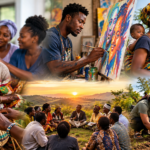
Art and Creativity Centers: Art therapy has immense power in facilitating healing. Providing spaces for individuals to express themselves creatively can be a powerful tool for processing trauma and emotions.
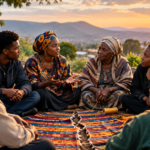
Peer Support Groups: Sharing experiences with others who have walked a similar path can be incredibly validating and empowering. Support groups can focus on specific issues like grief, addiction, or mental health challenges.
The Cornerstone of Healing: Safety and Inclusivity
For a healing space to truly flourish, safety and inclusivity are paramount. Here’s how to ensure your haven welcomes all:
Respectful and Trauma-Informed Approach: All facilitators and volunteers should be trained in creating a safe and respectful environment. This includes understanding trauma triggers and fostering a culture of empathy and non-judgment.
Accessibility Considerations: Ensure the physical space is accessible to people with disabilities. Consider offering childcare services or transportation assistance to remove barriers to participation.
Cultural Sensitivity: Be mindful of the diverse cultural backgrounds within your community. Offer resources and materials in multiple languages, and ensure the space is inclusive of various belief systems and practices.
Confidentiality and Trust: Upholding confidentiality is essential for building trust within the healing space. Establish clear guidelines and ensure participants feel comfortable sharing their experiences openly.
Imagine a community where healing spaces are woven into the very fabric of its existence. These safe havens offer individuals the support and resources they need to heal, fostering a ripple effect of collective well-being and resilience.