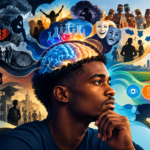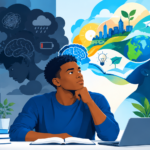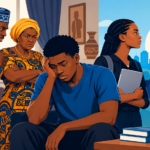
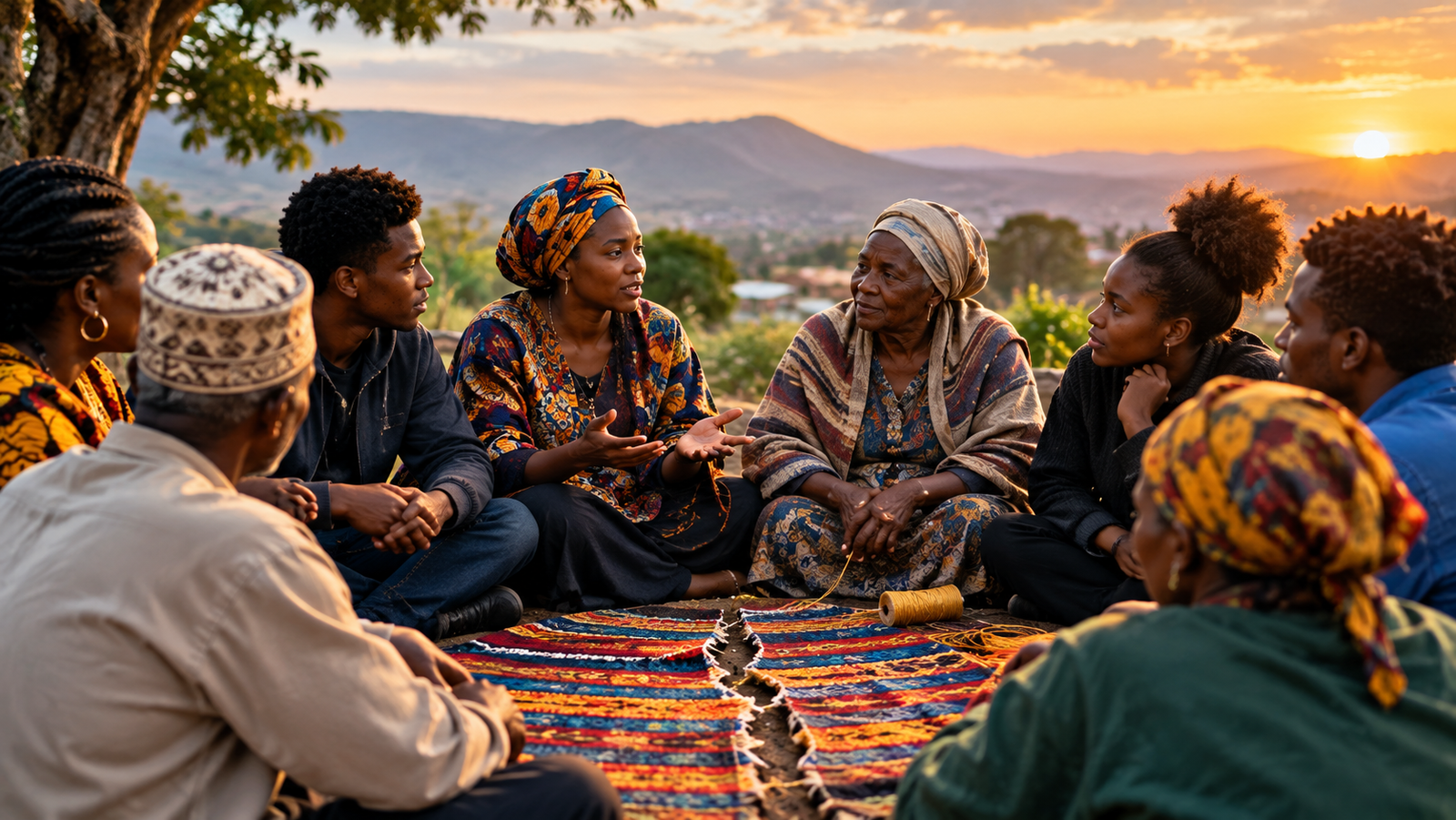
Imagine a community – a vibrant tapestry woven from individuals, experiences, and shared history. But what happens when that tapestry is ripped by trauma, leaving behind wounds that fester and divide? This is where community healing comes in, a powerful process that fosters collective well-being and helps communities mend the tears that bind them.
Understanding Collective Trauma:
Collective trauma refers to a shared experience of a horrific or stressful event that has a long-lasting impact on a group of people. This could be anything from a natural disaster to war, social injustice, or a community-wide tragedy. The effects of collective trauma can ripple through generations, manifesting as:
- Increased anxiety and depression
- Social fragmentation and distrust
- A sense of powerlessness and hopelessness
The good news is that communities can heal. Here are some core principles that pave the way:
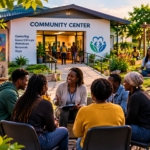
Acknowledgement and Validation: The first step is acknowledging the trauma and validating the experiences of community members. Creating spaces for open dialogue and shared stories is crucial.
Social Connection and Support: Healing happens in connection. Building strong social bonds, fostering empathy, and offering support to those who are struggling are essential ingredients.
Empowerment and Action: Community healing isn’t just about dwelling on the past. It’s about empowering individuals and the community as a whole to advocate for change and create a safer, more just future.
Lessons from History and Culture:
Throughout history, communities have developed diverse approaches to healing from collective trauma. Let’s explore some inspiring models:
The Truth and Reconciliation Commission in South Africa: This landmark initiative aimed to heal the deep wounds of apartheid by providing a platform for victims and perpetrators to share their stories and promote forgiveness.
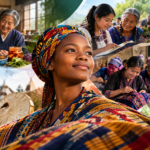
Traditional Healing Practices: Many indigenous cultures have robust traditions for community healing, often incorporating rituals, ceremonies, and connection to nature to restore balance and well-being.
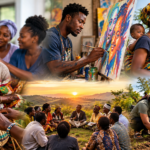
The Power of Art and Storytelling: Sharing stories of trauma and resilience through art, music, and storytelling can be a powerful tool for collective healing and catharsis.
These are just a few examples of how communities can draw upon their history and cultural heritage to find strength and inspiration for healing.