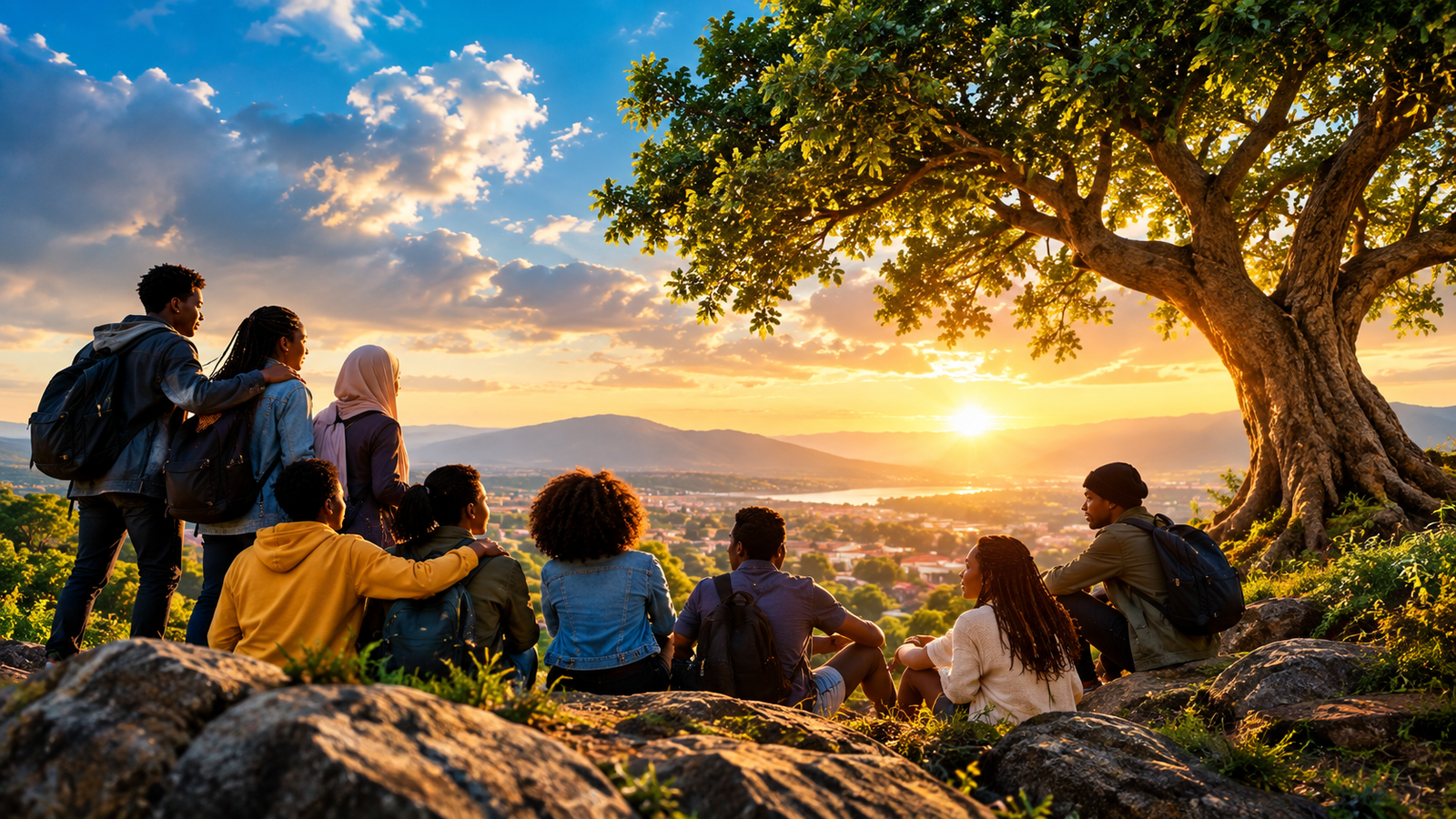
Imagine a community – a mighty oak tree, standing tall and strong despite harsh winds and relentless storms. This is the essence of a resilient community – one that can weather challenges, adapt to adversity, and emerge stronger than before. Let’s explore the hallmarks of resilient communities and how we can cultivate this strength within ourselves and those around us.
The Strength of Unity: Characteristics of Resilient Communities
Resilient communities aren’t invincible, but they possess a unique set of characteristics that allow them to bounce back from hardship. Here are some key elements:
Social Cohesion and Trust: Strong social bonds, a sense of belonging, and a foundation of trust among community members are crucial for collective action and support during challenging times.
Empowerment and Resourcefulness: Individuals within the community feel empowered to take charge, solve problems, and utilize available resources effectively.
Diversity and Inclusion: A tapestry woven from diverse backgrounds, skills, and experiences fosters creativity and innovation in finding solutions.
Communication and Collaboration: Open communication channels and a willingness to collaborate are essential for navigating challenges together.
Hope and Optimism: A shared sense of hope and optimism fuels resilience, allowing the community to believe in a brighter future.
Building Resilience: From Self to Community
The good news is that resilience isn’t something a community stumbles upon by chance; it can be actively cultivated. Here’s how fostering individual empowerment and collective self-awareness contributes to a community’s resilience:
Empowering Individuals: Programs that promote self-awareness, develop life skills, and encourage leadership can empower individuals to contribute to the collective good.
Investing in Youth: Mentorship programs, educational opportunities, and safe spaces for young people to voice their concerns all contribute to building a future generation of resilient leaders.
Promoting Social Connections: Community events, social gatherings, and initiatives that foster connection can strengthen social bonds and create a sense of belonging.
Open Dialogue and Conflict Resolution: Creating safe spaces for open dialogue, even about difficult topics, allows communities to address challenges constructively.
Fostering a Growth Mindset: Encouraging a belief in the power of learning and adaptation allows communities to view challenges as opportunities for growth and transformation.
By nurturing self-awareness and empowerment within individuals, we create a ripple effect that fosters a more resilient community as a whole. Imagine a community where individuals feel supported, empowered, and equipped to face challenges together. This is the foundation for a thriving future, where communities can weather any storm and emerge stronger than ever before.